How Nashville Could Make Country Music Stop Being A Punchline

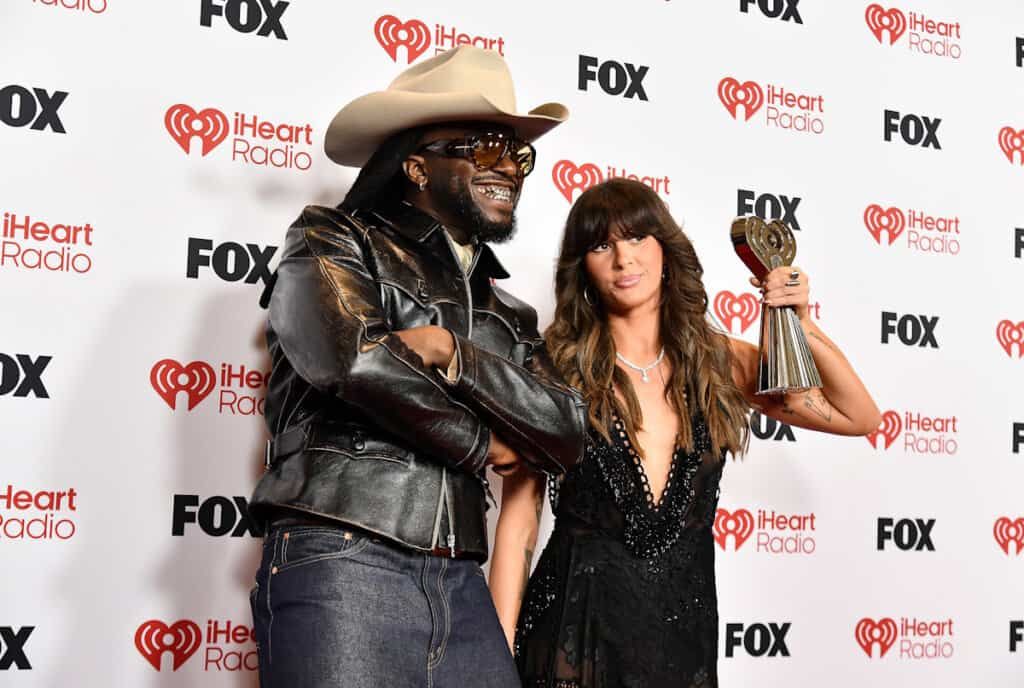
It's sort of a surreal time to be writing this newsletter. (Also, a surreal time to be alive I suppose but when isn't that the case…) For years now, Marissa and I have jointly been banging the drum: Appreciate the women in country music, and make more space for them to succeed. The genre is better when it's more diverse, whether in gender identity, race, sexual orientation, religion or (critically) sound!! But I think for both of us, ~ as women ~, the sexism women have faced since forever in this genre — whether garden variety or country specific — felt particularly acute. Marissa famously wrote a whole book about it!
All of a sudden, after years of Wallen hegemony, the biggest thing going — not just in country music but in popular music as a whole — is a woman country artist. Pigs aren't flying, and yet Ella Langley is in all likelihood about to have the longest running Hot 100 No. 1 song of all time with "Choosin' Texas." (Some of that has to do with changes in the way the chart measures consumption over the years, we will keep having more and more extended hits — but it's still massive.) Even more improbably, she's already backed it up with two more major hits (yes, one is a very mediocre Wallen duet; we still can't fully escape). I don't think either of us saw this coming, and it's hard to know what to make of it in a "what does this all mean" sense.
I got to see Langley in Fort Worth just over a week ago; I wrote about it for Billboard, and also podcasted about it with friend of the newsletter Andrew Unterberger (with whom I attended the show). The prevailing mood was one of curious anticipation — I'm certain I wasn't the only person in the crowd seeing Langley live for the first time (though she did sell out the massive Fort Worth honky-tonk mecca Billy Bob's last fall; had it not been one week before my due date I might have made the trek). Langley's set was extremely strong, though had the feeling of having been leveled up a bit last minute (understandably, given her surprise turn from rising country star to pop music monolith). Her hits were presented with almost no pomp, and maybe it is as Andrew said in the podcast that she can take or leave pop stardom; that she just wants to be a country singer (and some version of a trad wife, if her songs and on-stage banter are to be believed).
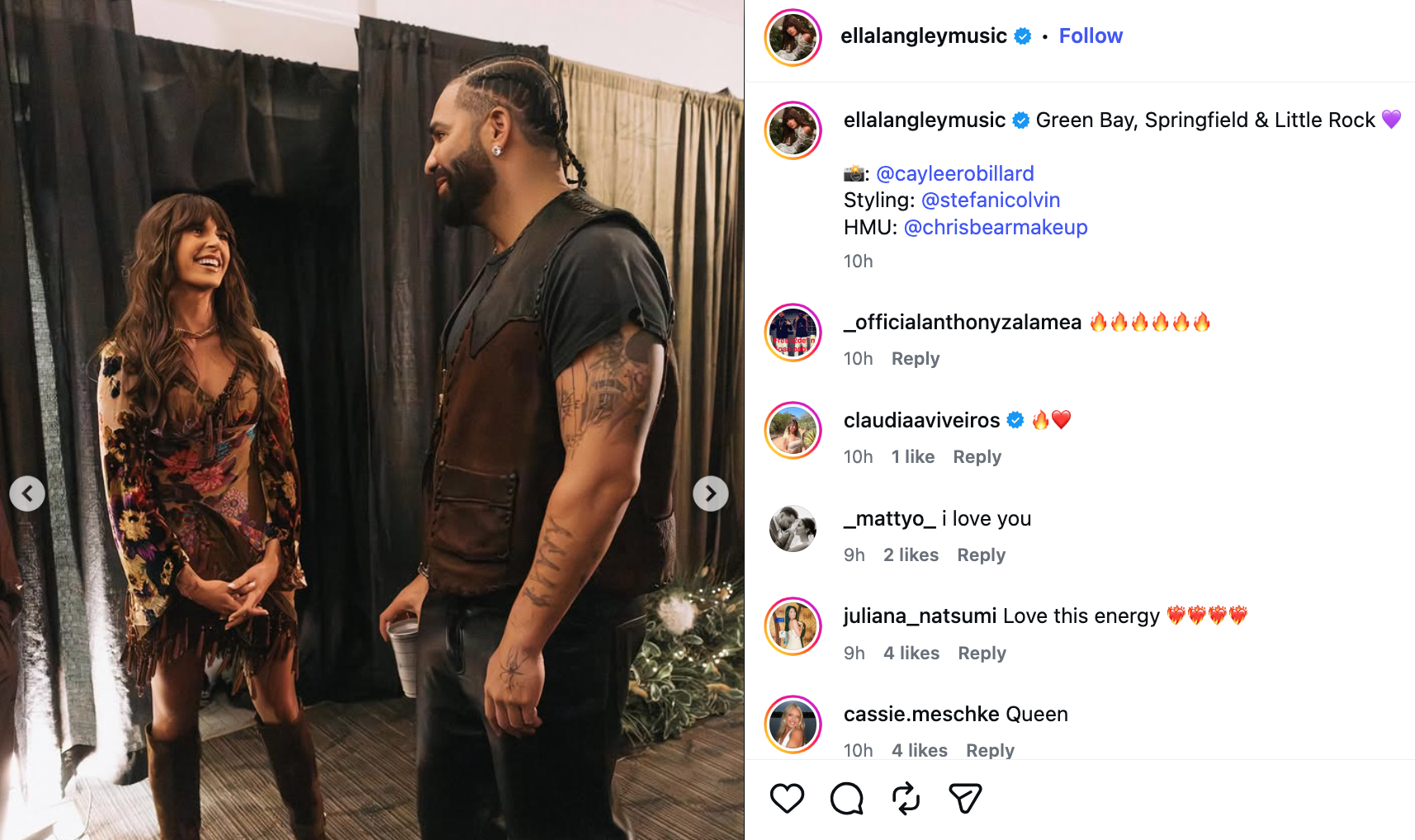
Even if she is willing to look superstardom in the face and walk the other way, what do these hits say about country music right now? Has the genre finally turned a corner, and we're about to enter a '90s-esque heyday of women country-pop heavyweights? Ella thinks so. A new era with Miranda at the helm, aesthetically if not as an artist (she co-produced Dandelion with Langley and Ben West); as I've already said, a year ago Marissa and I would have dared not dream it.
Perhaps there is a coherence here, though, beyond "ladies are back" (would that it were that simple). If we look at the list of longest-running Hot 100 No. 1s, the top five (excluding Mariah, the exception to every rule) are all country songs from the past decade; I think, at this point, we can certainly call "Old Town Road" as much of a country song as "Last Night" and "A Bar Song" even if Billboard still won't. Two are by Black men, one, now, is by a white woman. One, of course, is by Morgan Wallen. Three out of four come from artists whose identities have historically put them at a disadvantage when it comes to making country music, though Shaboozey and Lil Nas X, obviously, faced much worse odds of making it on Music Row than Langley did. In short, we're seeing considerably better diversity atop the chart history books when it comes to country artists than we are at country radio, still.
 Natalie Weiner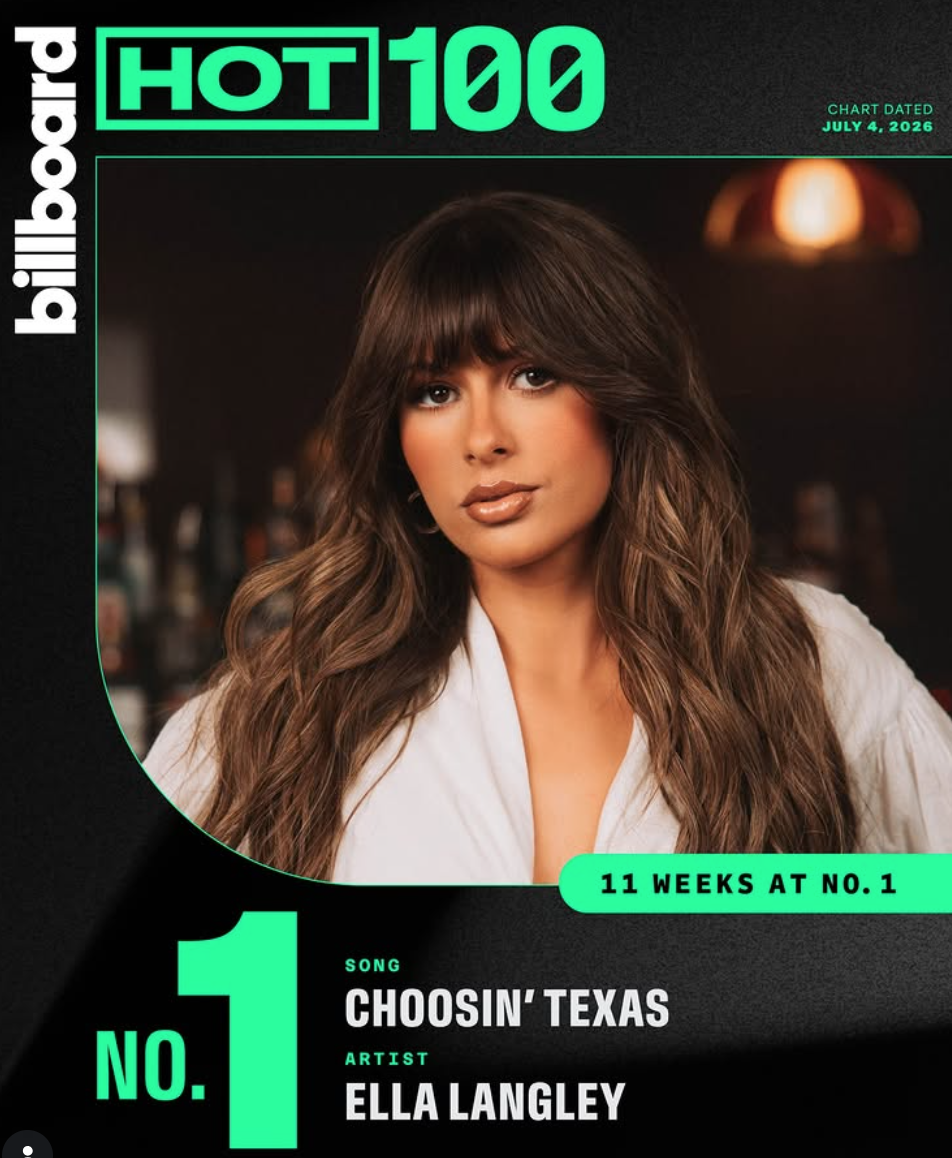
On the podcast, Andrew and I discussed how Langley and Megan Moroney (who we also saw) both had such polished brands, aesthetically and musically — brands that made them almost instantly legible and distinctive to just about anyone. It's something we see across the board with women in pop right now, a specific, smart shorthand that allows your fans to fall in line (and know how to dress for your shows), and they're among the first to bring that sensibility to country music in a big way. It's clearly working. It's not necessarily making life easier for women (or any other country-minority demographic) though, basically because they've had no choice but to be exceptional — not just in their music, but in every facet of their public persona and performance.
I sound like a broken record, because I'm writing about a broken system: There is so much room in Nashville to be a mediocre man. The genre is a punchline because of it but no one there cares, because it's a machine optimized to extract massive profits from middling to good versions of the same three to five guys. Langley and Moroney and Shaboozey and Lil Nas X are proof that the only way for people who are not those three to five guys (or face-tatted versions thereof) to succeed in a major way in country music is to eclipse it fully, with style and with era-defining hits. If they were allowed to have legions of imitators the way Wallen and Bryan and Jelly are, the whole genre suddenly would look and sound completely different — and so much better. And if the hits are any indication, they'd still get the last laugh.