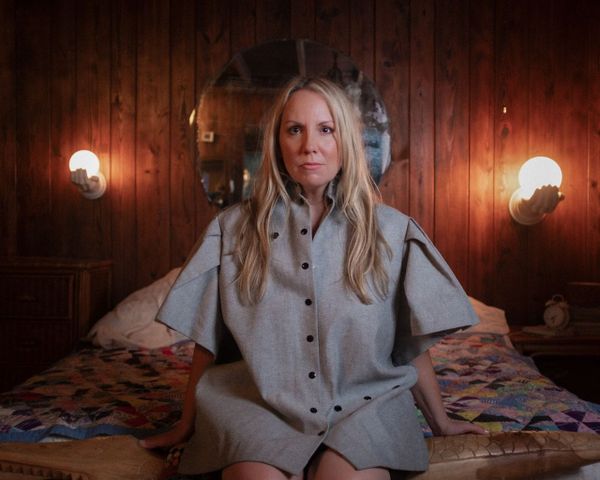
From the Archives: An Interview With Patty Griffin

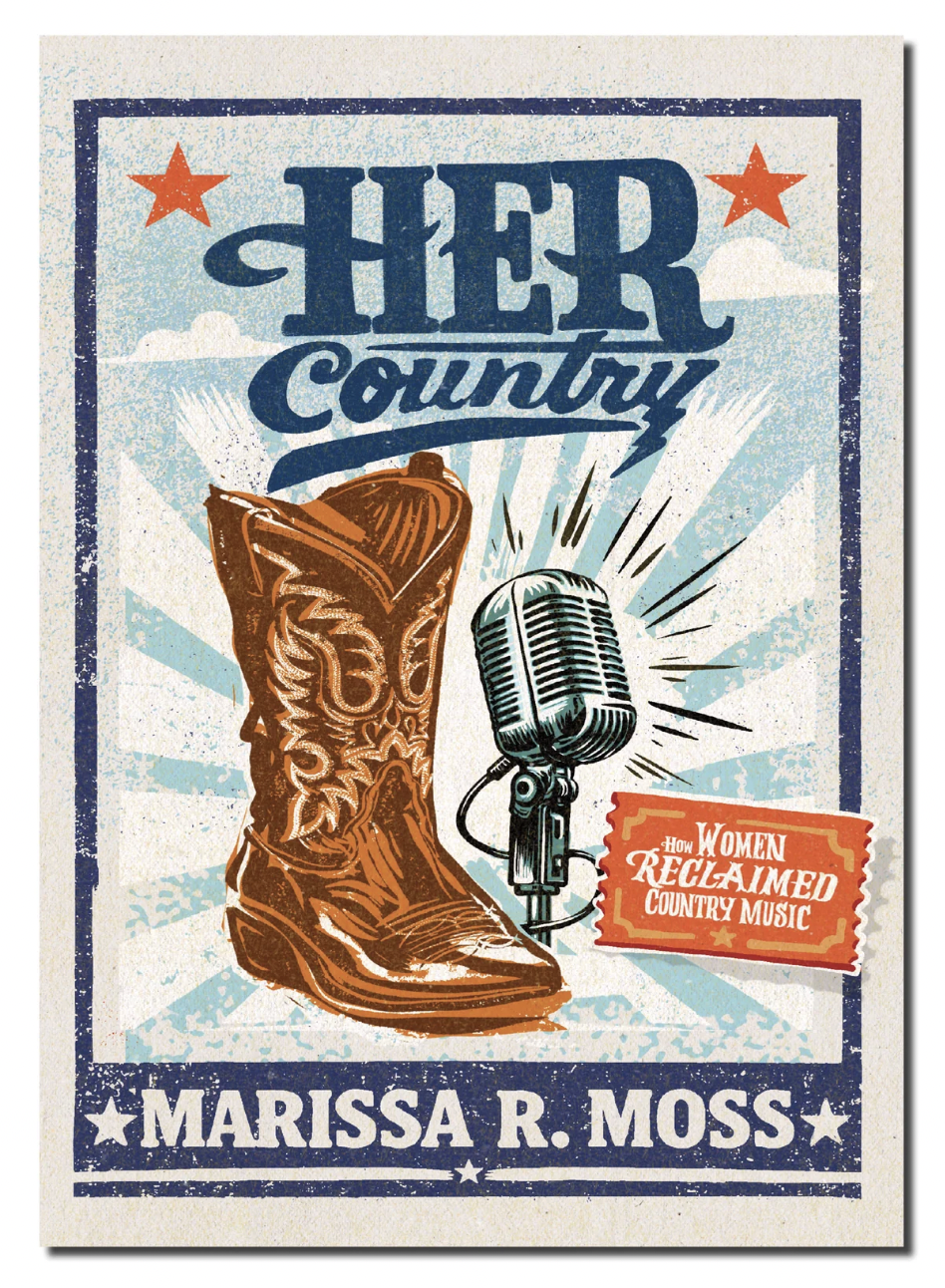
Hello newsletter friends, I hope you are all enjoying this start to summer (it's currently pouring on the Saturday I am writing this, so currently waiting for things to actually feel like summer over here). A quick update on my end: this week, I started as a Senior Writer at Rolling Stone, which I am extremely excited about - I'll get to cover even more country music stories (and beyond) while working with an incredible team of writers and editors. You can follow my work over there here. Another update? At long last, Her Country will be available in the UK this fall, on Omnibus Press. You can preorder a copy here, which has a new cover, extended playlist and updated epilogue.
While I was preparing the new edition, it occurred to me that I had a huge backlog of interviews just sitting there on my hard drive, full of country music gold - so in the spirit of the UK release, I figured it might be fun to bring you a series of these special chats, because so little ends up making it into the final manuscript. I figured I'd start with one of my favorites: a talk with the legend herself, Patty Griffin. Enjoy!
Marissa: How has it been to see your work and your songs inspire so many people, specifically women in country music, and really help expand the genre?
Patty: I don't have the same confidence making a statement like that. I grew up around country music, and I think the reason Nashville seemed like a great place to spend some time and work was that there was stability around being a songwriter there. There's a lot of reverence for people who write songs, and therefore a lot of really talented people you can learn from. I thought, if I'm going to pursue this, what a great place to be in Nashville. But I didn't really think about my life in those terms. When I think back to my very early days, just starting to play open mic nights, I remember thinking that I would love to be like one of those old blues people at the end of my career: you know, one of those guys or women who just influenced everything and did the work and had a really good life. I recognized myself as a shy person, so carrying around a big, large career would be hard. I just wanted to be a songwriter and get to sing. I don't think of myself in that context. I let other people do that.
Marissa: I found an old New York Times article from 2004 where you talked about a year in Nashville, when you came to make a record that never got released, and you called it a "miserable" year. What didn't click for you in Nashville at that moment?
Patty: That was actually in New Orleans. I made a record in New Orleans that never got released. Sadly. Another great Music City - something about me and that city. I did make a couple of things in Nashville that did pretty well. I think maybe Flaming Red is what you're talking about, and that wasn't a miserable year. It was actually a pretty exciting time. The record got caught up in one of those corporate takeovers that were happening back then and never really got the lift-off in a commercial way, but it ended up being a pretty good calling card for its producer, Jay Joyce. And I think, you know, you just put your head down and do the work. If you start thinking of yourself in any kind of greater framework, especially early on, you're really going to get in your own way, adding to any kind of self-consciousness we already have.
Marissa: Flaming Red is such an incredible record. Maren Morris always lists it as one of her all-time favorites. And Daniel Lanois played on that record too - he's gone on to work with so many interesting artists inside and outside of country. It's such a cool starting point for all these different people.
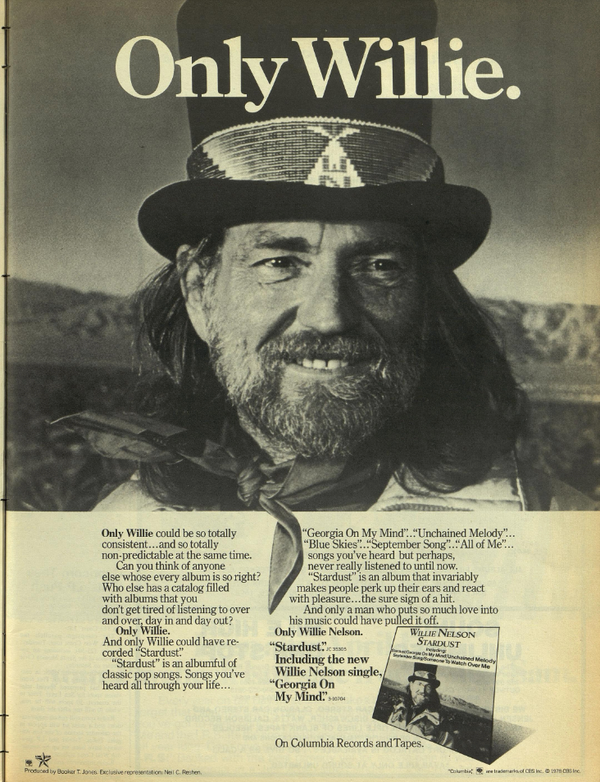
Patty: It definitely was a really charged time in Nashville. I feel like there was a ceiling back then that was changing. I don't know for better or worse in retrospect, but it was definitely opening up. There were some poor choices made to disregard some of the older parts of country music. They fired a lot of the original members of the Grand Ole Opry band and replaced them with younger, more quote-unquote hip musicians, which felt like a terrible decision. And George Jones got dropped from MCA while I was living there. So there were a bunch of things like that happening. But there was also this excitement in the air. Working with Jay at that time, there have been very few musical pairings that charged up creatively for me the way that did. I would give him something and he'd boom with ideas about it, he'd do something and send it back my way, and it just kept flowering. I feel really lucky to have lived in the timeframe that I did. When I got to Nashville, I got to see Broadway with nobody on it on a weekday night. I remember there's a Willie Nelson story about when he was living in Nashville working as a songwriter, he said you could go lie down on Broadway at night and not get hit by a car. I was sort of in between those two big times in Nashville. I landed there by chance. I had a manager who really wanted to live there, and he moved from New York and just saw things moving and shaking. I was really interested when I got there, but I didn't have the greater context around it.
Marissa: It's still there in some ways, that appreciation for the craft of songwriting amid all the high rises.
Patty: That's true. Yeah, it's still there.
Marissa: The artists who people gravitate toward your music, a lot of them point to how you inspired them to stick to their artistic instincts, not be afraid to try new things, to use a lyric that really gets you in the gut. How important is it to keep that at your core creatively?
Patty: To me, it's the only reason to even pursue art at all - to get to that thing yourself. Nashville has a lot of people who can really string together music and words and make a song that makes people listen. But for me, I don't think I started to learn how to write songs the way I really wanted to until the early '90s. Smells Like Teen Spirit had just changed everything - gotten everybody away from the hair bands, which were really a beaten-to-death form, this male-driven, sex-god genre. And then suddenly Smells Like Teen Spirit was out there, and nobody had heard anything like that. What was really moving to me about it was that it was pure emotion - not a linear song, not a literal song, but incredibly direct. It was emotional relief. I hadn't really heard that in a lot of music made by white people, to put it bluntly. That made me realize that even white people can write this kind of incredible, raw, emotional music. I wanted to be that. I don't think I even set out consciously to do it, but I responded to it emotionally. It might have had something to do with the '80s being such a locked-down, conservative time - a really painful period of reversing things that were put in place to protect poor people. And then the '90s came, and people started celebrating Earth Day and making another run at freedom, another run at power for people. Maybe I just noticed it then. And I think that influenced the way I felt about songwriting and what I wanted to try to do on my own.
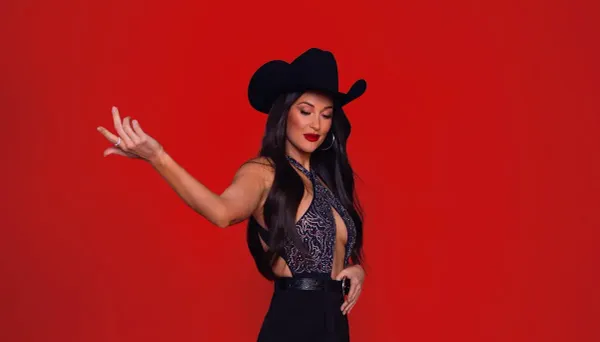
Marissa: Let's talk about Maren and Kacey and some of the women who have talked about how you've inspired them. Have you had a chance to spend time with them?
Patty: Not much. But I'm aware of how talented they are. I've heard their songs, and I'm really honored. If I had anything to do with them doing what they do - hey, I'm done. That's great.
Marissa: I'm sure you know that Maren has your lyrics tattooed on her back.
Patty: I did not know that!
Marissa: She does, yeah. It's a pretty sizable tattoo running all the way down her back. I'll let you Google it.
Patty: Oh my gosh. Wow. That must have hurt.
Marissa: (laughing) I thought you meant that it hurt you emotionally!
Patty: Oh no, no. (laughing)
Marissa: What do you think of the direction that Maren and Kacey are taking - I don't even want to say country music, but songwriter-driven music?
Patty: I think it's songwriter-driven music, and I think the song has really taken over the town. Nashville, from the outside, looks like it's in yet another shift - a lot of people deciding what it wants to open up to and what it wants to stay the same as. I was pretty excited to see Lil Nas X. I love that. There are so many things going on [in Nashville]. Some of it sounds like a mess to me, and some of it sounds very industry-driven - okay, guys, just give it up, you know? To me, the origins of country music songwriting were so much deeper than a lot of that. But the fact that I hear a Kacey song go by on the radio and go, who was that? And then look it up and it's her - that's a good feeling. Putting anything into a category isn't really my favorite thing to do. Maybe that's part of my influence. The strict genre of country music doesn't really exist anymore, and it really did still exist when I first got there. It hasn't landed anywhere, and that's probably a really good thing. I think the women are a good thing.
I just happened to turn on PBS NewsHour the other night and Maren Morris was on this little segment they did about Black women in country music - that's never happened before. Rarely, maybe one or two women of color have ever really made it in Nashville. And why the hold-up? Why does it take so long? That's exciting to me because it feels like people do really want to come together and figure out these separations. There's very boots-on-the-ground stuff happening in Nashville that way, and because it's so concentrated, maybe we'll actually be able to observe cultural shifts there.
Marissa: A lot of it goes back to the Chicks, too. But right now you have Maren and Kacey, you have Lil Nas X, you have TJ Osborne from Brothers Osborne who just came out as gay, you have Mickey Guyton - a Black artist trying to open up the genre - and it's all pushing up against the John Riches of the world. They're all pushing against each other constantly. When you step back and say all that at once, it's almost like a battleground.
Patty: It really is. And the women are just out there, insisting. One thing I love about the time we're in right now - and I don't know if it's just me and my age, but I think it's beyond that - women supporting other women is unprecedented. There's something about women in music right now, the way they support each other. I didn't see as much of that when I was coming up. I definitely got a leg up from older artists, but I didn't have big, strong connections with other women songwriters. I didn't feel that from other women. And looking back, I think part of it was that you didn't want to catch each other's influence because you didn't want to be compared. You wanted to be specifically influenced by men so you could avoid comparison to women, which was really limiting. Now you see a lot of women who can just be themselves and support each other, and there's a lot more power in that - it drives women's voices into the culture. When I was coming up, I was literally told, the first time anybody tried to get me a record deal: "Oh yeah, well, she sounds like Stevie Nicks, and we already have a woman this year." They couldn't hear what I was doing past a comparison to another woman. I think with the numbers coming in now, everybody will get past this. Beyoncé is the Rolling Stones now. When I was a kid, it was the Rolling Stones. Now it's Beyoncé. And that's cool. That's just the coolest thing ever.
Marissa: Makes me think about Lilith Fair - did you enjoy playing that festival? Speaking of getting together with other women in music.
Patty: I'm not great in massive crowds, but I thought it was pretty cool. It did cross my mind that it was a lot different from Lollapalooza - there was something so focused about Lilith Fair. And by the way, Sarah McLachlan pulling that off was quite a feat. It became this whipping boy - a phrase people would use to push back on women. Eventually Saturday Night Live did a spoof on it. I was actually hanging out with Joan Baez recently, and a friend of hers told me that SNL had a segment called something like "Make Joan Baez Laugh." It's funny, but on the other hand, it tells you something - she's being trashed, but she actually formed a genre. She was someone who, just by being who she was, created that genre. It was almost like it was impossible not to take a shot at a woman for being there first in a big, popular way. When you look at that festival in that broader context, you do see the movement of progress.
Marissa: It's definitely very painful to see how Lilith Fair was written about - or basically any successful female artist in that time period, up until maybe eight years ago, throughout all my research for this book.
Patty: And mostly men doing the writing, you've got to remember. Or women living within the context of the male point of view. So it definitely shaped how those women were covered. It shaped me. How could it not shape women right now who are writing about music? I think for me, it was a lot of Black artists and female artists - Aretha, great songwriters. Bonnie Raitt was very powerful for me; she had red hair too, which I related to as a kid. They were rare not because they weren't great, but because the slots were so limited. It was almost like there was a backlash against women being self-sufficient as writers, musicians, and singers. When you look at how few there were, you have to wonder. I think honestly a lot of men just couldn't handle it and didn't know what to do with it.
Marissa: That's interesting. I've thought a lot about the specific layers of why country music has limited women - limited them on the radio, limited them in other ways. I've always wondered about it from this angle of, how much does stifling women’s power play into it? But I want to talk about the Chicks before I let you go. When you go back and listen to "Truth No. 2" - even the first few lines of that song - it's so prophetic in terms of what happened with them: nobody likes the sound of the truth coming from their mouths. What was it like to experience the Chicks' situation and see those words you wrote become so real for them when they spoke out about George Bush?
Patty: That was really something. I remember watching that documentary a friend of theirs made and hearing that song in that context and going, holy cow. It's like it was written for that moment. It's interesting: for the most part, the songs I'm drawn to came out of nowhere from the ether. You can craft a song, but the ones that come up out of nowhere, who knows how those things work. It was crazy. It was really exciting to work that way. I never thought about writing like that before in terms of my own work.